новый блог
Практическое руководство по балансированию механических характеристик, термостойкости, технологичности и стоимости
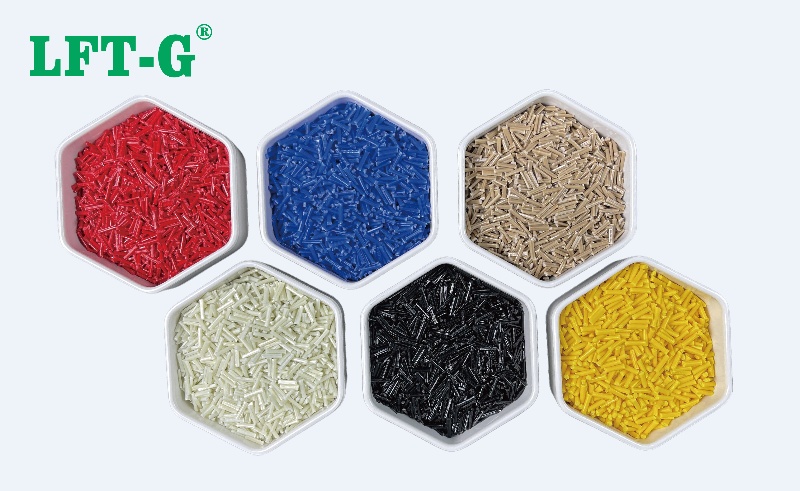
Армированный стекловолокном PA66 (GF PA66) является одним из наиболее широко используемых инженерных пластиков в автомобильной промышленности, электротехнике, промышленном оборудовании и конструкционных применениях. Добавление стекловолокон в Nylon 66 позволяет производителям значительно улучшить прочность, жесткость, стабильность размеров и термостойкость.
Однако при выборе материала часто возникает один вопрос:
Многие инженеры предполагают, что более высокое содержание стекловолокна всегда означает лучшие характеристики. На самом деле увеличение содержания стекловолокна улучшает одни свойства, одновременно ухудшая другие, такие как ударная прочность и текучесть.
Выбор правильного процентного содержания стекловолокна требует баланса между механическими характеристиками, процессом литья, конструкцией изделия и общей стоимостью производства.
Стекловолокна выполняют функцию армирующего наполнителя в матрице PA66. По мере увеличения содержания волокон армирующая структура становится прочнее, позволяя композиту выдерживать более высокие механические нагрузки и повышенные температуры.
В то же время чрезмерное содержание стекловолокна может создавать проблемы при переработке и снижать ударную вязкость.
Наиболее очевидным преимуществом добавления стекловолокна является улучшение механических свойств.
Для конструкционных компонентов, подвергающихся постоянным нагрузкам, увеличение содержания стекловолокна часто обеспечивает значительные преимущества по характеристикам.
Стекловолокна ограничивают движение полимерных цепей, что приводит к повышению температуры тепловой деформации (HDT) и долгосрочной термической стабильности.
Это делает PA66 с высоким содержанием стекловолокна идеальным материалом для моторных отсеков автомобилей, электрических компонентов и промышленного оборудования, работающего при повышенных температурах.
По мере увеличения содержания стекловолокна вязкость расплава повышается во время литья под давлением.
Следовательно:
Более высокая жесткость обычно достигается за счет снижения вязкости.
По сравнению с марками с меньшим содержанием стекловолокна PA66 с высоким содержанием стекловолокна имеет меньшее удлинение и более низкую ударную прочность, что делает его менее подходящим для компонентов, подвергающихся повторным ударам.
Более высокое содержание стекловолокна обычно означает:
Поэтому самый высокий процент содержания стекловолокна не всегда является наиболее экономичным решением.
| Содержание стекловолокна | Характеристики | Типичные применения |
|---|---|---|
| 10–20% | Сбалансированные механические свойства, хорошая текучесть, простота обработки, экономичность. | Потребительские товары, электрические корпуса, конструкционные компоненты для малых нагрузок. |
| 25–30% | Отличный баланс между прочностью, жесткостью и технологичностью. | Автомобильные компоненты, электроинструменты, конструкции бытовых приборов. |
| 30–40% | Высокая жесткость, отличная термостойкость и стабильность размеров. | Вентиляторы охлаждения, промышленное оборудование, корпуса двигателей. |
| 40–50% | Сверхвысокая жесткость с отличными конструкционными характеристиками. | Конструкционные компоненты для тяжелых условий эксплуатации и прецизионные промышленные детали. |
| Более 50% | Специальные инженерные применения, требующие максимальной жесткости и износостойкости. | Индивидуальные инженерные решения. |
Выбор подходящего содержания стекловолокна — это не просто выбор материала с максимальной прочностью. Инженеры должны оценивать весь жизненный цикл изделия, включая механические требования, возможности формования, условия эксплуатации и производственные затраты.
Определите требуемую механическую прочность, жесткость, ударную стойкость, термостойкость и стабильность размеров перед выбором марки материала.
Более высокое содержание стекловолокна повышает характеристики, но также увеличивает сложность формования, износ оснастки и стоимость материала.
Используйте проверенные варианты выбора материалов, применяемые в автомобильной, электротехнической и промышленной сферах, чтобы сократить время разработки.
Всегда проверяйте механические свойства, тепловые характеристики и поведение при формовании посредством испытаний прототипа перед массовым производством.
| Отрасль | Типичные компоненты | Рекомендуемое содержание стекловолокна |
|---|---|---|
| Автомобильная промышленность | Крышки двигателей, кронштейны, корпуса, компоненты системы охлаждения | 20–30% |
| Промышленное оборудование | Структурные детали, шестерни, опорные рамы | 25–40% |
| Электрика и электроника | Разъёмы, переключатели, электрические корпуса | 15–25% |
| Охлаждающие вентиляторы | Лопасти вентиляторов, корпуса двигателей | 30–50% |
| Прецизионное машиностроение | Высоконагруженные конструкционные компоненты | 30–60% |
Хотя обычный полиамид PA66, армированный коротким стекловолокном, широко используется, многие требовательные инженерные применения теперь переходят на PA66, армированный длинным стекловолокном (LGF PA66).
По сравнению с материалами с коротким стекловолокном, композиты с длинным стекловолокном сохраняют значительно большую длину волокон после литья под давлением, создавая более прочную армирующую сеть внутри полимерной матрицы.
| Свойство | PA66 с коротким стекловолокном | PA66 с длинным стекловолокном |
|---|---|---|
| Ударная прочность | Хорошая | Отличная |
| Сопротивление усталости | Среднее | Выдающееся |
| Стабильность размеров | Хорошая | Отличная |
| Долговременные механические характеристики | Хорошие | Превосходные |
| Лёгкая замена металла | Ограниченная | Очень подходит |
LFT-G специализируется на термопластичных композитах, армированных длинными волокнами, для требовательных инженерных применений.
Нет. Хотя более высокое содержание стекловолокна повышает жесткость и термостойкость, оно также снижает текучесть и ударную прочность, одновременно увеличивая стоимость производства.
Содержание стекловолокна от 30% до 40% обеспечивает отличный баланс между прочностью, технологичностью переработки и стоимостью, поэтому такие марки используются наиболее широко.
Марки с высоким содержанием стекловолокна рекомендуются для конструкционных компонентов, требующих максимальной жесткости, устойчивости к высоким температурам и длительной размерной стабильности.
PA66, армированный длинным стекловолокном, обеспечивает превосходную ударную прочность, сопротивление усталости и эксплуатационные характеристики конструкции по сравнению с традиционными материалами с коротким стекловолокном, что делает его идеальным для применения в качестве легкой замены металла.
Свяжитесь с нашей инженерной командой сегодня, чтобы получить технические паспорта, рекомендации по применению и индивидуальные решения по материалам.
Запросить бесплатную консультациюПодписывайтесь на нас :


-- получать обновления с последними темами

 Эл. почта
 русский
 English
 français
 Deutsch
 italiano
 español
 português
 العربية
 日本語
日本語 한국의
한국의 中文
中文