
 Эл. почта
 русский
 English
 français
 Deutsch
 italiano
 español
 português
 العربية
 日本語
日本語 한국의
한국의 中文
中文


В условиях стремительного развития индустрии электромобилей и стремления к достижению национальных целей по сокращению выбросов углерода, снижение энергопотребления, уменьшение выбросов и увеличение запаса хода электромобилей стали основными приоритетами автомобильных инноваций. Снижение веса автомобиля на 10% может уменьшить расход топлива на 6%–8% и увеличить запас хода электромобиля на 5%–10% . Поэтому, облегчение автомобильных Это одна из наиболее эффективных стратегий повышения энергоэффективности и дальности хода.
Роль композитных материалов в облегчении автомобильных конструкций
Композитные материалы Известные своей высокой удельной прочностью, низкой плотностью, превосходной жесткостью и большой гибкостью в проектировании, металлы все чаще заменяют традиционные металлы в современных автомобилях. Они широко используются в Конструкция кузова, системы шасси, интерьер, компоненты силового агрегата и аккумуляторные системы электромобилей. ускоряя трансформацию отрасли в направлении эффективной, низкоуглеродной и долговечной парадигмы производства.
Преимущества легкости и производительности
Распространенные автомобильные композитные материалы, в том числе CFRP (композиты из углеродного волокна) , GFRP (стекловолоконные композиты) , и композиты из базальтового волокна —предлагают значительные преимущества:
- Только плотности 1/4–1/3 стали и 2/3 алюминия
- Удельная сила В 5–6 раз выше, чем у стали. и В 3–4 раза выше, чем у алюминия.
- Снижение веса компонентов: 30%–60%
- Общее снижение веса транспортного средства: 10%–30%
Композитные материалы также обладают выдающимися свойствами. сопротивление усталости, коррозионная стойкость, гашение вибраций и показатели NVH (шум, вибрация, жесткость). снижение затрат на техническое обслуживание и повышение комфорта вождения.
Применение методов облегчения конструкции в ключевых системах транспортных средств.
Кузов и конструктивные элементы автомобиля
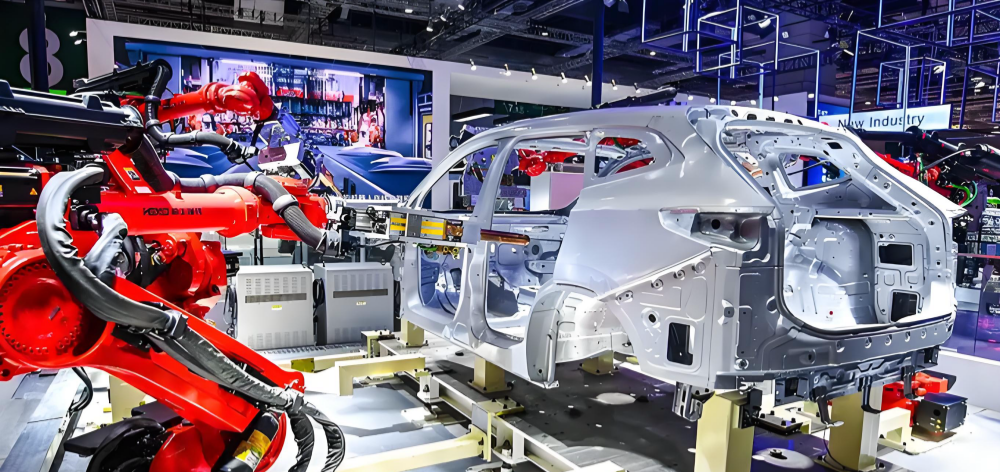
Конструктивные элементы, такие как Рамы кузова, двери, капоты, крышки багажника может быть отформован с использованием CFRP или GFRP, что позволяет получить Снижение массы на 35–50%. при одновременном улучшении аэродинамики и жесткости. Пример: электромобиль с кузовом из углепластика достиг следующих результатов. Снижение общей массы на 22%. и ан Увеличение запаса хода на 18%. .
Облегчение шасси и силового агрегата
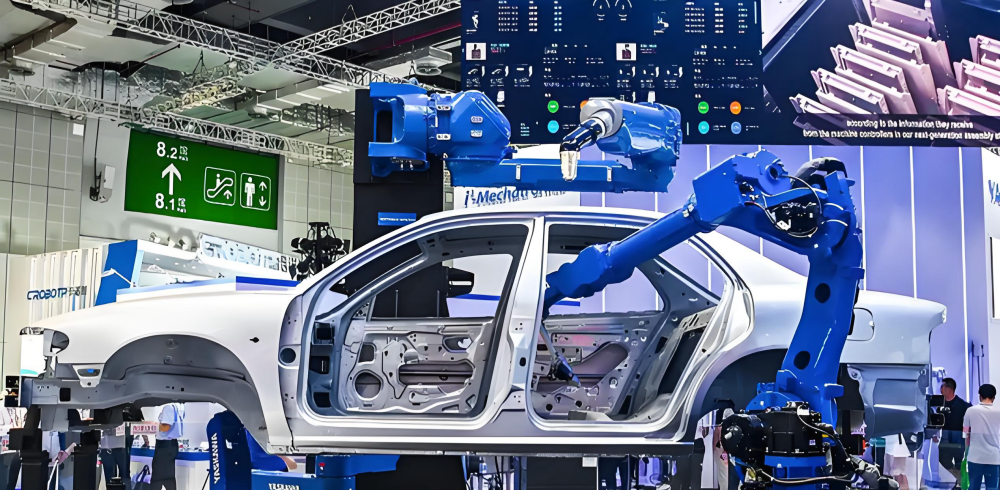
Композитные рычаги подвески, карданные валы и ступицы колес уменьшают неподрессоренную массу и улучшают динамические характеристики. Карданные валы из углеродного волокна могут обеспечить Снижение веса на 40% и Повышение эффективности передачи на 5–8%. .
Облегчение веса аккумуляторной батареи для электромобиля
Корпуса аккумуляторных батарей изготовлены из композиты из эпоксидной смолы, армированные стекловолокном предложение выше Снижение веса на 50%. По сравнению со сталью, обладает превосходной огнестойкостью, ударопрочностью и водонепроницаемостью. В сочетании с композитными батарейными отсеками снижает энергопотребление системы и увеличивает запас хода электромобиля.
Снижение внутреннего веса
Композитные материалы широко используются в каркасы сидений, держатели приборной панели, внутренние модули дверей , достигнув Снижение веса на 25–40%. Композитные каркасы сидений могут быть На 50% легче чем сталь; держатели приборных панелей из полипропилена с стекловолокном могут достигать На 30% легче утяжелители и улучшенная звукоизоляция.
Тенденции будущего: снижение затрат и передовые технологии производства.
Достижения в области материальных технологий
Такие инновации, как гибридные волокна, модифицированные смолы, нанонаполнители и биоразлагаемые/перерабатываемые композиты, улучшают эксплуатационные характеристики при одновременном снижении стоимости.
Передовые технологии обработки
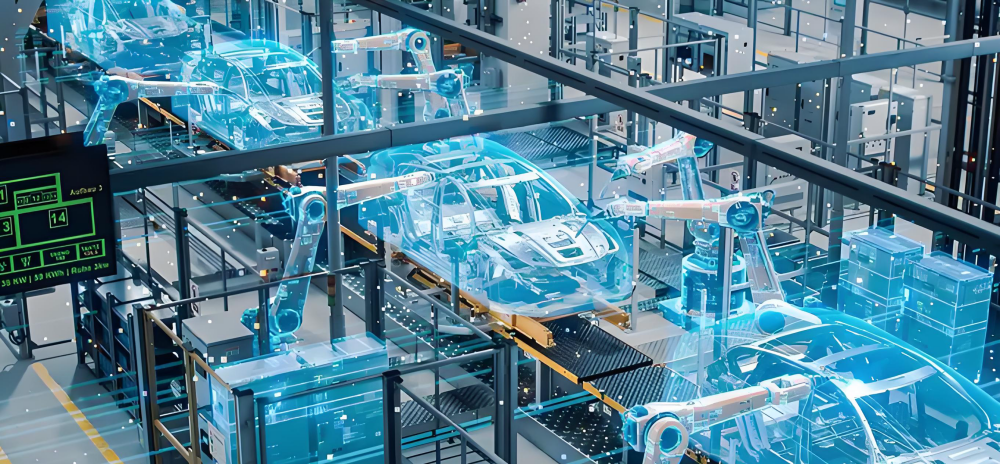
Технологии формования и литья нового поколения — HP-RTM (формование под высоким давлением с переносом смолы), AFP (автоматизированная укладка волокон) и 3D-печать композитных материалов — позволяют эффективно осуществлять массовое производство деталей из композитных материалов.
Тенденция к снижению затрат
Ожидается, что стоимость композитных материалов снизится на 30–50% в течение следующих 5–10 лет Это позволит расширить применение системы в автомобилях среднего и начального уровня. В сочетании с технологиями интеллектуального мониторинга и цифрового двойника, мониторинг на протяжении всего жизненного цикла еще больше повысит надежность и безопасность.
Заключение
Композитные материалы стали ключевым фактором, обеспечивающим снижение веса автомобилей. Широкое внедрение композитных материалов меняет автомобильное производство, повышая энергоэффективность, структурную прочность и запас хода электромобилей. По мере развития технологий композитные материалы будут и дальше способствовать переходу отрасли к высокотехнологичному, низкоуглеродному и устойчивому развитию, поддерживая глобальные цели по сокращению выбросов углекислого газа до двух источников.